
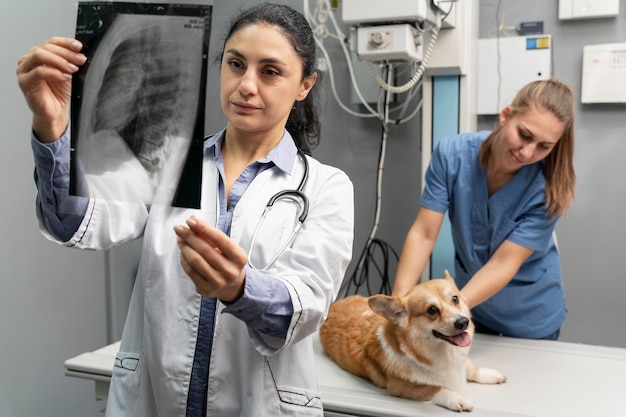
When your dog is sick, injured, or simply not acting like themselves, it is natural to want answers as quickly as possible. One of the most valuable tools veterinarians use to diagnose health concerns is the dog x ray, also known as radiography. At Salazar Veterinary Hospital, located at 111 Gatlin Ave, Orlando, FL 32806, our skilled veterinary team relies on safe, advanced imaging technology to get a clear picture of what is happening inside your pet. If you have ever wondered when your dog might need an x ray, what to expect during the process, or how diagnostic imaging can help, you are in the right place. In this guide, we will explore the most common reasons for dog x rays, explain how the process works, and help you understand the next steps for your pet's care. Whether you are searching for a "dog x ray in Orlando" or want to know what happens during a visit, Salazar Veterinary Hospital is here to support your pet's health with compassion and expertise. To learn more about our full range of diagnostic imaging options, visit our diagnostic services page.
Understanding when a dog x ray might be recommended can help you act quickly and ensure your pet gets the care they need. Dogs, like people, cannot tell us exactly what hurts, so it is up to pet owners to notice changes in behavior or physical signs that may signal an internal problem.
Key symptoms that might indicate the need for a dog x ray include persistent limping, sudden lameness, or trouble standing up after rest. If your dog is experiencing ongoing vomiting, difficulty breathing, or noticeable changes in urination or defecation, a veterinarian may suggest radiographs to pinpoint the cause. Other signs to watch for are swelling in the abdomen, unexplained pain when touched, or sudden loss of appetite that lasts more than a day or two.
Sometimes, external injuries such as falls, car accidents, or run-ins with other animals lead to obvious trauma, and an x ray becomes crucial to evaluate potential fractures or internal injuries. In other situations, symptoms are more subtle, such as fatigue, weight loss, or coughing, and imaging helps uncover issues that are not visible during a physical exam. If your dog has swallowed something they should not have—like a toy, sock, or bone—an x ray often becomes the first step in assessing whether the object is still in the digestive tract or causing a blockage.
Ultimately, only a veterinarian can determine if a dog x ray is necessary; however, being aware of these warning signs can ensure you seek help early, which can make a big difference in your pet's outcome. For routine wellness concerns or sudden changes in your dog’s health, our comprehensive pet exams can help identify when further imaging is needed.
Dog x rays play a crucial role in modern veterinary medicine, allowing our veterinarians at Salazar Veterinary Hospital to look beyond the surface and diagnose a wide range of conditions. Radiographs use a small, safe amount of radiation to create images of your dog's bones, joints, organs, and even certain soft tissues.
The most common reasons we recommend dog x rays in Orlando include evaluating for broken bones, assessing arthritis, or detecting joint problems such as hip dysplasia. If your dog is coughing or has trouble breathing, chest x rays can reveal issues in the lungs or heart, such as pneumonia, tumors, or heart enlargement. Abdominal x rays are often used to investigate digestive problems, unexplained pain, or suspected ingestion of foreign objects.
In some cases, dog x rays can also help monitor chronic conditions over time, such as bladder stones, cancer, or heart disease. When a dog undergoes surgery or dental procedures, radiographs help veterinarians plan and evaluate the results, ensuring nothing is missed. The ability to visualize internal structures is invaluable, especially when symptoms are vague or when bloodwork and physical exams do not provide a full picture.
At Salazar Veterinary Hospital, we use state-of-the-art digital imaging, which offers fast results with minimal stress for your pet. The process is safe, efficient, and tailored to your dog’s specific needs, minimizing exposure and maximizing diagnostic value.
Understanding what happens during a dog x ray appointment can help ease any concerns you may have about your pet’s experience. At our Orlando clinic, the process begins with a thorough consultation, during which our veterinarians will discuss your dog's symptoms and determine which areas need to be imaged.
Most dogs tolerate x rays very well and do not require sedation, especially if they can remain calm and still for a few moments. For pets who are anxious, in pain, or need precise positioning, light sedation may be suggested to ensure clear images and keep your dog comfortable. Our veterinary professionals use gentle handling and supportive positioning devices, ensuring your dog feels safe throughout the process.
The imaging itself is quick, often taking just a few minutes per view. You may be asked to wait in the lobby while the veterinary team captures and reviews the images. Once complete, our veterinarians will carefully interpret the results, looking for signs of fractures, masses, fluid buildup, or other abnormalities. We will then review the findings with you, explaining any next steps or treatment options.
If your dog’s condition is urgent or requires immediate intervention, our clinic is equipped to provide a range of emergency veterinary care and advanced surgical services right here in Orlando.
A dog x ray can uncover a variety of medical concerns, each requiring a different approach to treatment. Fractures and broken bones are among the most frequent findings, especially in active dogs or those recovering from accidents. Joint problems such as arthritis, hip dysplasia, or elbow dysplasia often show up clearly on radiographs, helping guide long-term management.
Respiratory issues including pneumonia, heart disease, or even tumors in the lungs or chest cavity are often detected through chest x rays. Abdominal imaging may reveal gastrointestinal blockages, bladder stones, or signs of organ enlargement, such as with liver or spleen conditions. In some cases, tumors or abnormal growths are identified, allowing for earlier intervention or additional diagnostics.
Dental x rays are also common, especially during routine cleanings or when a tooth problem is suspected. These images can uncover hidden dental disease, root abscesses, or retained baby teeth that could cause discomfort or infection. To find out more about how radiography supports dental health, you can explore our dental care services.
In rare cases, x rays may reveal congenital abnormalities or other developmental issues that require specialized care. While not every concern can be diagnosed with radiography alone, dog x rays are often the first, best step toward understanding your pet’s health challenges.
Once our veterinarians have reviewed your dog’s x rays, we will develop a treatment plan tailored to your pet’s individual needs. If a fracture or dislocation is found, options may include splinting, casting, or surgical intervention. For arthritis or joint problems, management might involve pain relief, anti-inflammatory medications, or rehabilitation therapies such as laser treatment, which can be explored further on our laser therapy page.
Respiratory or cardiac findings may require medications, supportive care, or, in some situations, referral to a veterinary specialist. When a foreign object is found in the digestive tract, treatment options range from monitoring and supportive care to surgical removal, depending on the size and location of the item. If a tumor or abnormal mass is identified, our veterinary team will discuss the best options, from further diagnostics to possible surgery or medical management.
Throughout every step, we prioritize your dog’s comfort and safety, answering your questions and involving you in all decisions. Our approach combines advanced technology with compassionate care, ensuring your pet receives the highest standard of medicine available in Orlando and surrounding communities.
While some conditions requiring a dog x ray are unavoidable, there are steps you can take at home to support your pet’s long-term health. Providing a safe environment, such as keeping hazardous objects out of reach and supervising active play, can help prevent injuries that might otherwise require imaging. Maintaining a healthy weight and encouraging regular, gentle exercise can reduce the risk of joint problems and arthritis.
Regular veterinary check-ups are essential for early detection of health issues. During routine visits, our veterinarians will assess your dog’s overall wellness, recommend appropriate vaccinations, and discuss any concerns that could lead to the need for x rays in the future. Good dental care at home, including tooth brushing and dental-friendly chews, can go a long way toward preventing the dental issues that sometimes require radiographic evaluation.
If your dog has a pre-existing condition, such as arthritis or a history of foreign body ingestion, following your veterinarian’s guidance on diet, activity, and monitoring is particularly important. Promptly addressing any new symptoms or changes in behavior can help catch problems early, often making treatment easier and more effective.
For detailed information on preventive care and wellness planning, you can visit our page on comprehensive pet exams.
Knowing when to seek professional help is vital, especially when your dog is experiencing symptoms that could point to a serious problem. Immediate veterinary attention is recommended if your pet has suffered trauma, such as being hit by a car or falling from a height, is experiencing sudden paralysis, or is having trouble breathing. Persistent vomiting, abdominal swelling, or signs of severe pain also warrant a prompt visit.
If you notice any unexplained changes in your dog’s behavior, eating patterns, or energy levels, scheduling an appointment with our veterinarians at Salazar Veterinary Hospital can help identify the underlying cause and determine if a dog x ray is necessary. Our team is always ready to address your concerns, answer your questions, and provide advanced diagnostic options right here in Orlando.
Remember, early intervention often leads to better outcomes and less stress for you and your pet. Do not hesitate to contact us if you feel something is not right; your vigilance is an important part of your dog’s healthcare team.
Taking charge of your dog’s health starts with being informed and proactive. If you are wondering whether your pet might need a dog x ray in Orlando, our veterinary professionals at Salazar Veterinary Hospital are here to help every step of the way. From advanced imaging technology to thorough explanations and compassionate care, we are committed to giving your pet the best possible outcome.
If you are searching for a "vet near me" or need to schedule a diagnostic appointment, our Orlando location offers convenient access for the city and surrounding communities. Our team can guide you through the process, answer your questions, and ensure your dog receives the attention they deserve.
To learn more about our dog x ray and diagnostic services, or to book a visit, call us at (407) 807-6611. We look forward to partnering with you in caring for your dog’s health, providing reassurance and expertise when you need it most. For additional information on our full range of diagnostic options, please visit our diagnostic services page. Your dog’s health and happiness are our top priorities, and we are honored to be your trusted veterinary resource in Orlando.


