
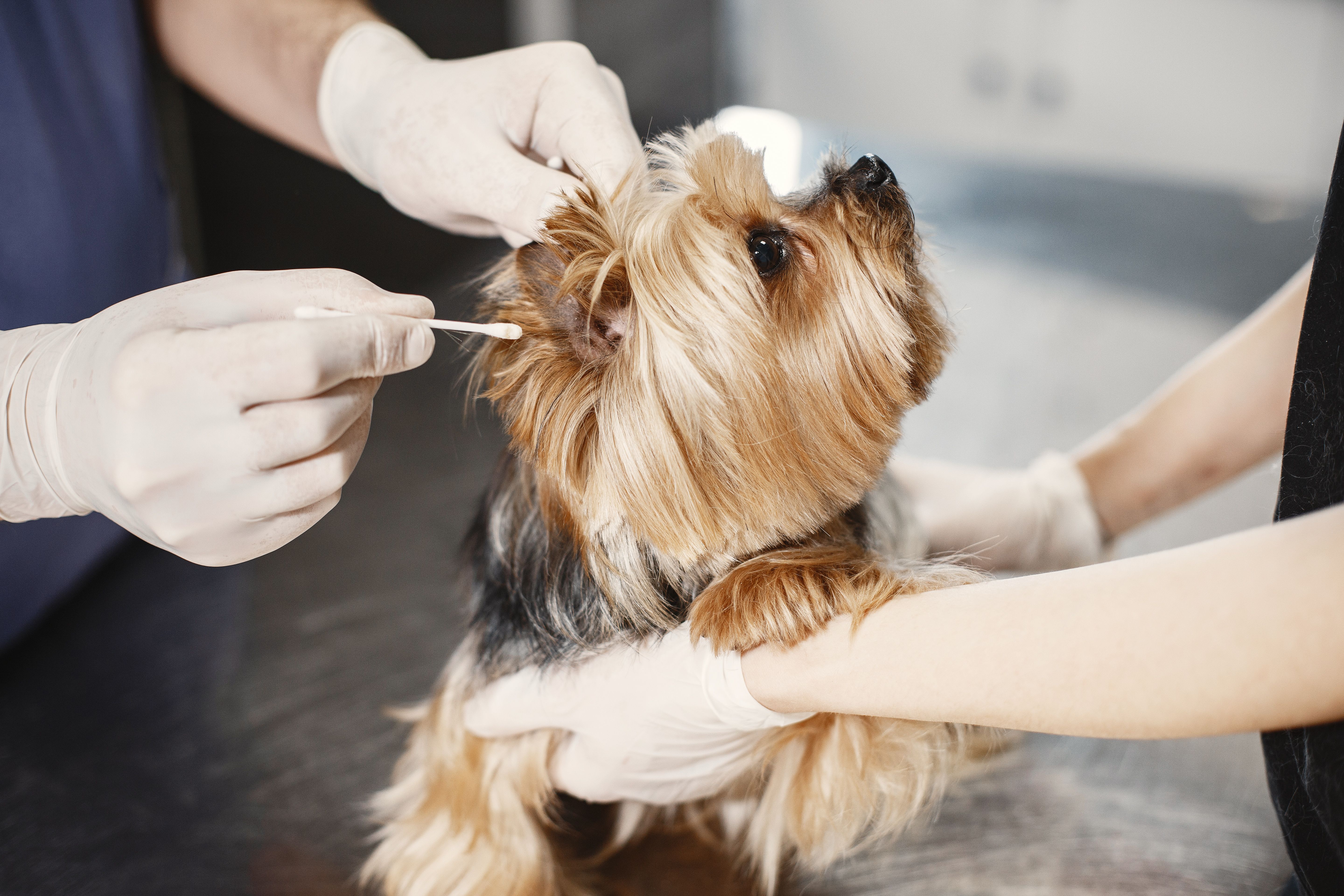
If you have noticed your dog or cat shaking its head, scratching at its ears, or showing signs of discomfort, you are not alone. Ear infections are one of the most common reasons pet owners in Orlando bring their furry companions to Salazar Veterinary Hospital. With our warm, humid climate and active pet lifestyles, ear problems can quickly become a source of frustration for both pets and their families. In this blog, we will guide you through the most important signs of ear infections in dogs and cats, explain the underlying causes, describe gentle and effective treatment options, and offer tips to help prevent future issues. You will also learn when it is time to schedule a visit with our veterinary team and how our commitment to a higher standard of medicine ensures your pet receives the best possible care in Orlando and surrounding communities.
Ear infections in dogs and cats can develop rapidly or build up gradually over time. As a pet owner, being familiar with the early warning signs can make all the difference in your pet’s comfort and recovery. Common symptoms include persistent scratching at one or both ears, frequent head shaking, and visible redness or swelling around the ear flap. You may also notice an unpleasant odor coming from the ear canal or see discharge that ranges from yellow to brown or even black. Some pets will tilt their head to one side or become sensitive to touch around the ears. In more severe cases, you might observe changes in your pet’s behavior such as irritability, loss of balance, or reluctance to eat due to discomfort.
For many Orlando pet owners, the first sign of trouble is noticing their dog or cat rubbing their head against furniture or the floor. This can be your pet’s way of trying to relieve itching or pain caused by inflammation inside the ear. Cats, in particular, may hide or avoid being handled if their ears are bothering them. If you observe any of these symptoms, it is a good idea to gently inspect your pet’s ears for signs of redness, swelling, or discharge, but avoid inserting anything into the ear canal. Early intervention is key to preventing complications and helping your pet recover quickly.
Understanding why ear infections occur can help you take steps to minimize your pet’s risk. In Orlando, the warm and humid environment creates ideal conditions for bacteria and yeast to thrive in the moist, dark environment of the ear canal. Dogs with floppy ears, such as Cocker Spaniels or Golden Retrievers, are especially prone to infections because their ear flaps can trap moisture and reduce air circulation.
Frequent swimming or bathing can also increase the risk of ear infections, as water left behind in the ear canal provides a breeding ground for microbes. Allergies are another common trigger; pets with food or environmental allergies often develop chronic ear inflammation that makes them susceptible to secondary infections. Ear mites, especially in kittens and outdoor cats, are a frequent cause of ear problems and can spread quickly between animals.
Underlying health issues, such as hormonal imbalances or autoimmune conditions, may contribute to recurrent ear infections in some pets. Foreign objects, like grass seeds or foxtails, can also become lodged in the ear canal, causing irritation and infection. If your pet has a history of ear problems or if you have noticed a pattern of recurring infections, it is important to discuss this with our veterinarians during your appointment so we can identify and address any underlying causes.
When you bring your dog or cat to Salazar Veterinary Hospital for an ear infection, our veterinary team will start with a thorough examination and a detailed history. We may use an otoscope to look deep into your pet’s ear canal and check for debris, swelling, or foreign bodies. Depending on what we find, we might recommend taking a sample of ear discharge for microscopic evaluation, which helps determine whether bacteria, yeast, or mites are present.
Treatment for ear infections typically involves a combination of cleaning the ear canal and applying medication prescribed by our veterinarians. We use gentle, pet-safe cleansers to remove wax, debris, and discharge, allowing the medication to reach the source of infection more effectively. Medications may include topical drops or ointments containing antibiotics, antifungals, or anti-inflammatories, depending on the cause of the infection. In more severe or resistant cases, we might prescribe oral medications to address the infection from within.
If your pet is experiencing significant discomfort, we will discuss options for pain relief and anti-inflammatory therapy to help them feel better as quickly as possible. For pets with chronic or recurrent ear infections, our team may recommend additional diagnostics such as allergy testing or imaging to rule out more complex underlying issues. Throughout the treatment process, we will provide step-by-step instructions so you feel confident caring for your pet at home.
While professional treatment is essential for resolving an active infection, there are practical steps you can take at home to help protect your pet’s ear health. Regularly inspect your dog or cat’s ears for signs of redness, discharge, or odor, especially after swimming, bathing, or spending time outdoors. Gently wiping the outer ear with a soft, damp cloth can help remove dirt and excess wax, but always avoid using cotton swabs or inserting anything into the ear canal.
For pets prone to ear infections, our veterinarians may recommend a routine ear cleaning schedule using veterinary-approved solutions. Keeping your pet’s ears dry is especially important in Orlando’s humid climate, so always dry their ears thoroughly after water activities. If your pet has allergies, work with our team to manage flare-ups and minimize exposure to triggers.
Nutrition also plays a role in overall ear health; feeding a balanced diet and maintaining a healthy weight can help support your pet’s immune system. If you have a breed with heavy or floppy ears, regular grooming and trimming around the ear area can improve air flow and reduce the risk of moisture buildup. If you are ever unsure about how to clean your pet’s ears safely, our veterinary professionals are happy to demonstrate proper techniques during your next visit.
It is important to recognize when a simple ear problem may require prompt professional care. If your pet is in obvious pain, is unable to keep food or water down, or if you notice a sudden change in behavior or coordination, do not wait to seek veterinary attention. Persistent symptoms such as foul-smelling discharge, severe redness or swelling, or bleeding from the ear canal are signs that the infection may be advanced or complicated.
If you have tried cleaning your pet’s ears at home without improvement, or if symptoms return quickly after stopping medication, it is time to schedule an appointment with our veterinary team. Chronic or untreated ear infections can lead to serious complications, including hearing loss, deeper infections, or even permanent damage to the ear canal. Our veterinarians in Orlando are equipped with the experience and technology to diagnose and treat ear issues efficiently and compassionately.
For pet owners searching for a "vet near me" to address ear infections or other health concerns, choosing a practice with a reputation for quality care and a commitment to ongoing education is essential. At Salazar Veterinary Hospital, we prioritize clear communication, gentle handling, and effective solutions tailored to your pet’s unique needs.
Ear infections can be painful and distressing for both pets and their families, but with the right care and prevention strategies, most dogs and cats can enjoy healthy, comfortable ears year-round. Staying alert to early signs, practicing good ear hygiene, and partnering with a trusted veterinary team are the most important steps you can take to protect your pet’s wellbeing.
If you are concerned about your dog or cat’s ears or would like personalized advice on preventing future infections, we invite you to schedule an appointment with the veterinary professionals at Salazar Veterinary Hospital. Our team is proud to serve Orlando and the surrounding communities, offering a higher standard of medicine and a genuine commitment to your pet’s comfort and health. To book your visit, call us at (407) 807-6611 or stop by our convenient location at Orlando, FL. When you need a veterinarian near me who truly cares, we are here for you and your pet every step of the way.
All medical content provided here is for informational purposes only and does not substitute for professional veterinary advice. If you suspect your pet has an ear infection or other health issue, please consult with your veterinarian for diagnosis and treatment recommendations.


